If you work in industrial design, you know Core77. For decades, they have been the authority on how products are made, why they work, and who is building them. It’s HYPEBEAST for industrial designers.
That is why we were stoked to see Senior Editor Rain Noe dive into the design thinking behind Pines Footwear this week.
In his post, "Footwear Startup Aims to Produce Injury-Reducing Sneakers," Noe zooms in on the exact problem we set out to solve: the detrimental effects of modern "max-cushion" shoes. The industry has spent years selling foam bricks masquerading as helpful-performance-tech. While these shoes might feel nice’n’soft, that high stack height, and disconnection from the surface you’re playing on creates instability and dampens perception.
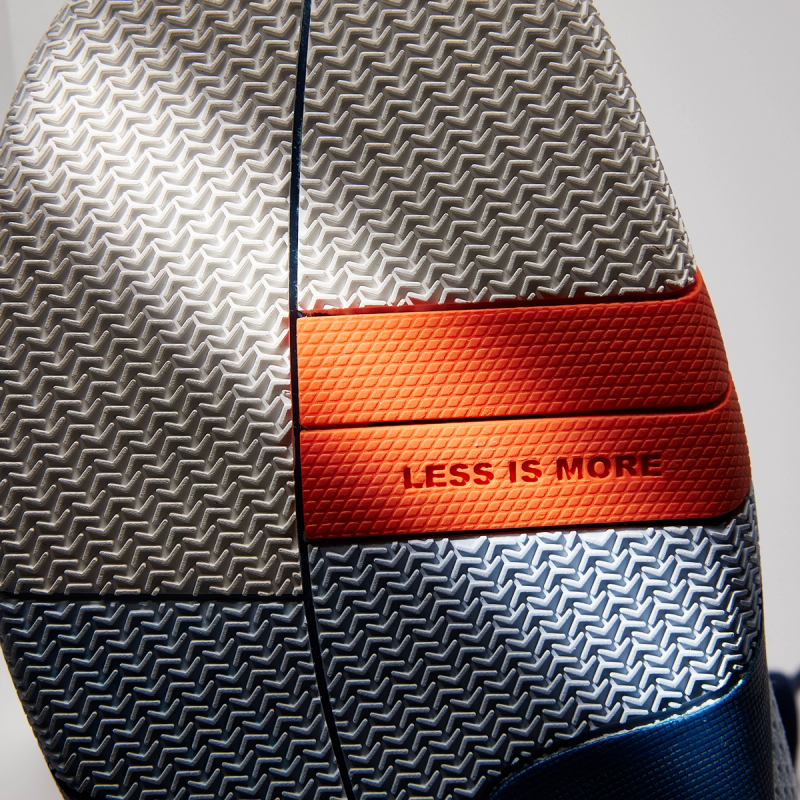
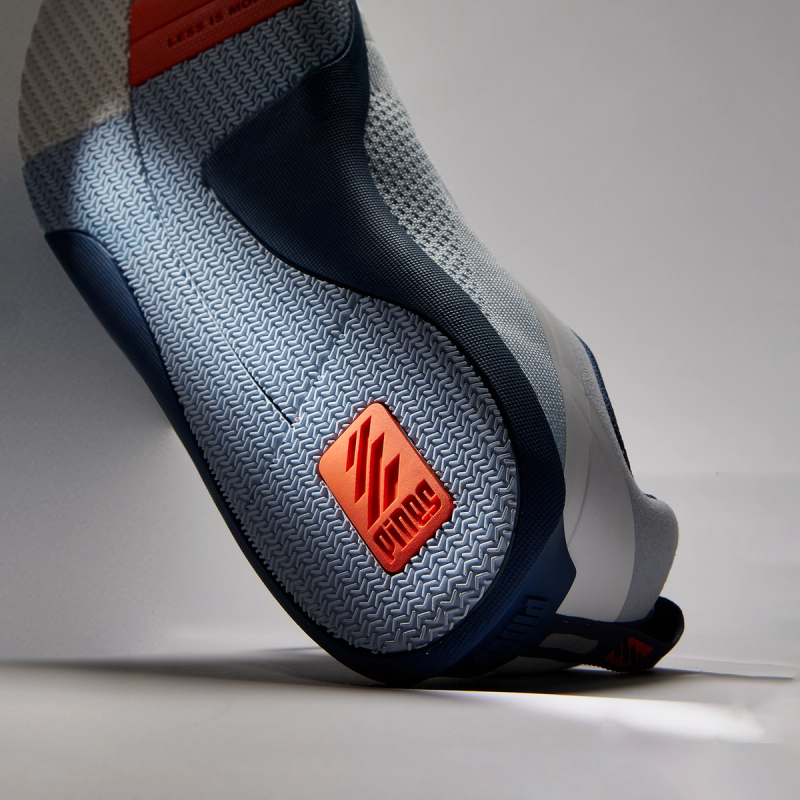
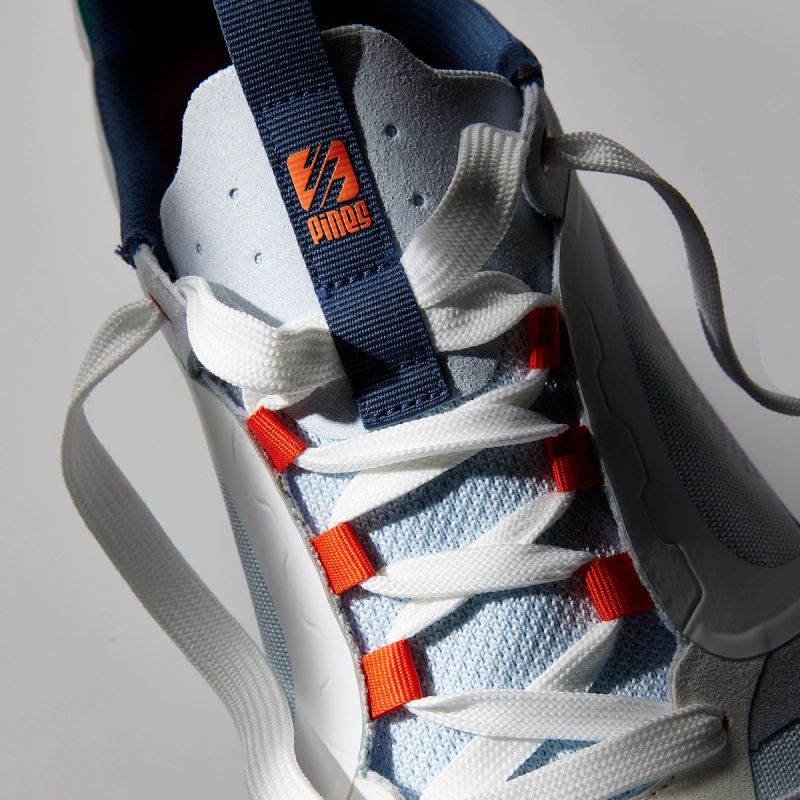
Core77 highlighted how our Atomic Court model reverses this trend. They broke down the three pillars of our "foot-healthy" design:
- Zero Drop Geometry: Keeping the heel and toe at the same height to align the pelvis and spine.
- Lower Stack Height: Lowering the center of gravity for true stability, rather than artificial softness.
- Targeted Support: Using reinforced side panels for dynamic lateral movement without the bulk.
Design Pedigree The article also shines a light on the veterans building this shoe alongside us: award-winning designer Michael DiTullo and developer Drew Linth. When you are trying to rewrite the rules of court performance, you don't guess—you hire the best in the business.
We are building Pines because we believe athletes deserve gear that works with their biomechanics, and doesn’t sacrifice long term benefit for short term gains.
It’s great to see the design world take notice!
Read the full write-up on Core77 here.
We're real pumped up over here:
